
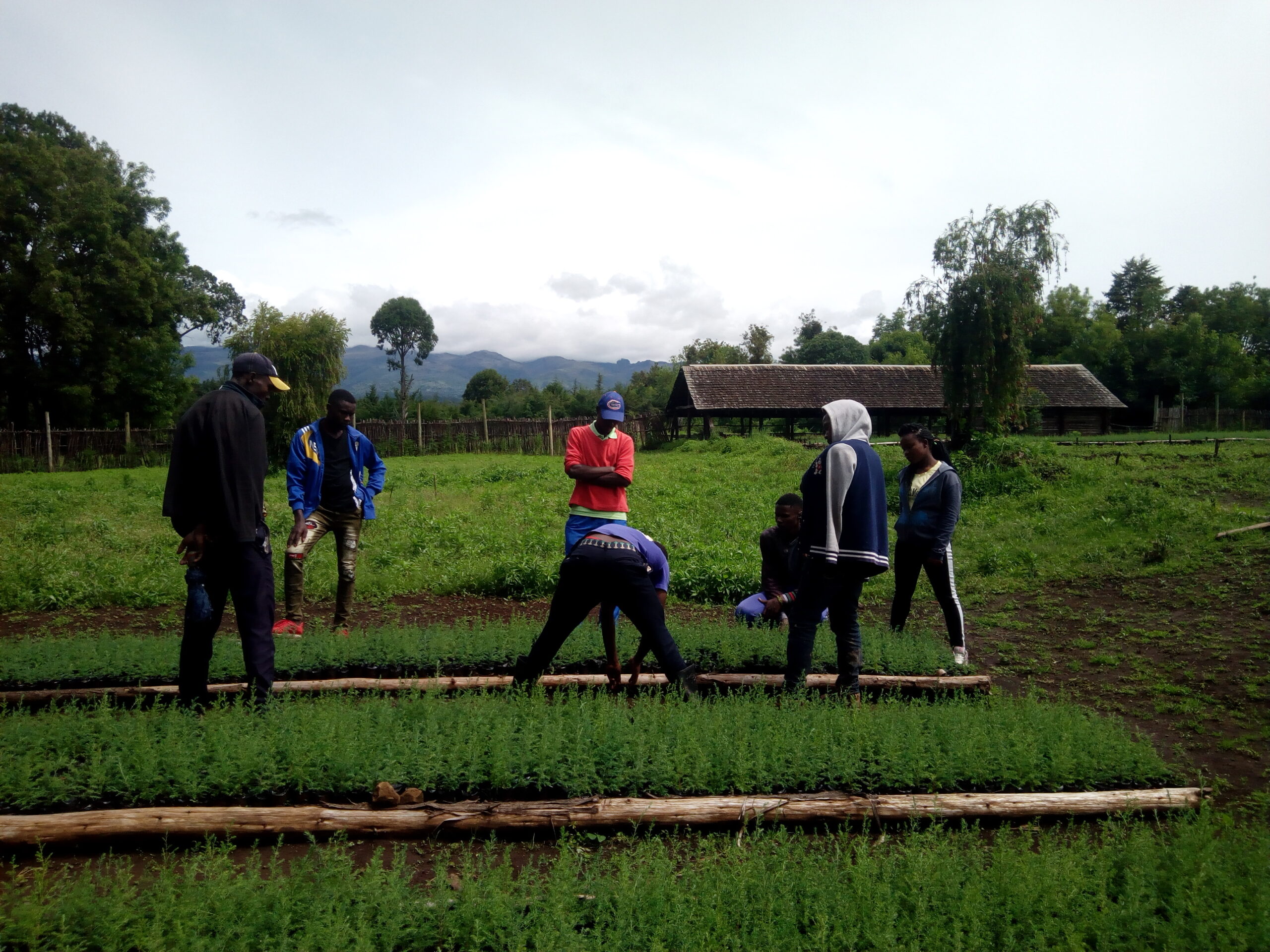
The Promise Hidden in Rural Communities
Across Kenya and many parts of the world, rural communities are often described through the lens of their challenges, unemployment, limited infrastructure, and economic hardship, yet they are also rich in talent, energy, land, experience, and a strong spirit of cooperation. Young people bring creativity and ambition, while farmers, teachers, religious leaders, entrepreneurs, and elders contribute valuable knowledge and leadership, supported by networks built on trust and shared responsibility. Despite these strengths, development conversations often focus primarily on what communities lack, especially financial resources. While funding is important, it is only one part of the equation. Resource mobilisation offers a different perspective by identifying and unlocking the assets that already exist within a community, enabling people to connect resources, create opportunities, and build a foundation for sustainable growth.
Rethinking What Drives Development
When communities discuss development, conversations often begin with a familiar question: Where will the money come from? Whether the goal is to improve agriculture, create jobs, build infrastructure, or support youth entrepreneurship, financial resources are usually seen as the starting point.
There is good reason for this. Many development initiatives require capital to purchase equipment, expand businesses, or construct essential facilities. Access to funding can accelerate progress and make larger ambitions possible.
Yet focusing on financial capital alone can unintentionally narrow our perspective. Communities may overlook the wealth of resources already within their reach: people with valuable skills, experienced mentors, community organisations, available land, local institutions, and networks built on trust. As a result, worthwhile ideas are sometimes delayed while waiting for funding that may take years to materialise.
Resource mobilisation invites a different starting point. It encourages communities to first identify and organise the assets they already possess, then determine what additional resources are needed to achieve their goals.
Before asking what we lack, we should start to ask what we already have.
Understanding Resource Mobilisation
Resource mobilisation means identifying, organising and using people, skills, relationships, physical assets and funding to achieve a shared goal. A business idea may need land, practical advice, tools, customers and working capital.
The task is to establish what each person or institution can contribute, under what conditions, and which gaps require outside support. Recognising local assets makes those needs clearer. It does not make every project affordable.
An asset becomes useful when it meets a genuine need. An unused room could host training, but someone must organise sessions and cover running costs. Land offered for farming also needs water, suitable skills, and a route to market.
The Power of Community Networks
Development is rarely an individual effort. It is often the result of people working together around a common purpose.
A trusted introduction can connect a youth group with a landowner or experienced trader. A school, faith organisation or local association may offer a meeting place. Such relationships help people pool resources, but contributors need clear expectations rather than assumptions about unlimited goodwill.
In Niger, farmer-managed natural regeneration helped restore farmland through the protection of regrowing native trees. Farmers’ work and stronger rights to use tree resources both mattered. Existing natural assets became more productive when farmers had the authority and incentive to manage them.
In Kenya’s Meru County, a community road improvement project brought residents together to learn Do-nou, a technique that reinforces roads using soil-filled bags. Community Road Empowerment provided training, with support from the Japan Social Development Fund and the World Bank. Combining local labour and materials with technical knowledge and financial support improved access to markets, schools and health facilities, while helping women and young people develop small enterprises.
In Nepal, community-owned micro-hydropower projects connected local water resources and community participation with government and UNDP funding and technical support. Communities took responsibility for procurement, construction and management. In Kharbang, electricity from one such plant enabled Pabitra Giri and members of a local women’s cooperative to start a soap-making business. Resources mobilised for electricity therefore also created opportunities for local enterprise.
These experiences suggest that community networks are most useful when they connect willing contributors around a practical goal. Local initiative becomes more effective when people can combine their own assets with the skills, funding and institutional support they need.
Resource Mobilisation in Practice
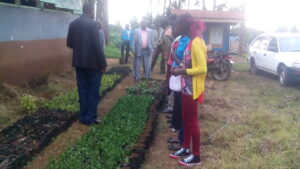
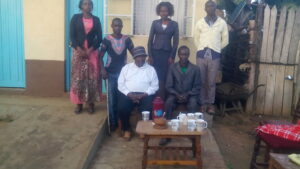
Upcountry Success (UPS) put this approach into practice through several community projects, including a tree and flower nursery and a farming pilot involving young people in Abothuguchi West, Meru County. These early examples illustrate how community resources, mentorship and the young people’s own effort could be brought together to create opportunities.
The nursery project began with guidance from Father Ireri of Saint Theresa’s Parish. He helped the group assess its ideas, provided land and other resources, and arranged visits to flower gardens for practical learning. UPS’s records describe how proceeds from the nursery supported a subsequent venture printing religious materials.
The farming pilot relied on a different network of supporters. Chief Kirimi suggested potential landowners, while Moses Mwobobia helped the group approach retired headteacher Mwalimu Mathiu. He offered a section of his land, and well-wishers supplied seedlings, manure and fertiliser. Proceeds from the first coriander harvest supported later crop cycles. The young people contributed effort, while supporters supplied resources with real costs.
Elsewhere, Nepal’s community forest user groups organise collective management of forests, linking conservation with livelihoods and institutional partnerships. In Zanzibar, Barefoot College International has trained women from Pemba and the Central African Republic in solar engineering. Both examples show how community participation can connect with technical knowledge and outside support.
Barefoot College also has training centres in Guatemala, Senegal and Madagascar. Its international reach offers another reminder that investment in local people can connect communities with knowledge beyond their borders.
Why This Matters for Rural Youth
For young people with ideas but limited savings, these connections can make a first experiment possible. Mentors can help assess demand, avoid costly mistakes and identify useful contacts.
A small trial can build experience before a group takes on substantial debt. It should answer practical questions: Who will buy? What will production cost? How will the team handle setbacks? Keeping records helps turn an experiment into evidence for the next decision.
Responsibility belongs to the wider community too. Elders, businesses, institutions and public agencies can help create conditions in which young people learn and earn. Enthusiasm alone cannot overcome poor infrastructure or inaccessible markets.
Building a Culture of Opportunity
Begin with one practical idea. Ask who has relevant experience, which assets are available and whether customers would pay for the proposed product or service. Invite willing contributors to agree on a small, manageable trial.
Record contributions, responsibilities, costs and how benefits will be shared. Clarify permission to use land or equipment, include women and less-connected young people, and review progress together. Seek additional funding for the remaining gaps. Trust grows when commitments are honoured and people can see how their support is used.
Looking Beyond What We Lack
Rural potential becomes useful when people organise it around realistic opportunities. Funding remains essential, but a community that understands its own assets is better placed to identify the support it needs and put that support to work.
What resources already exist within your community that could help unlock new opportunities for young people?
By Upcountry Success (UPS).

